Tiếng Việt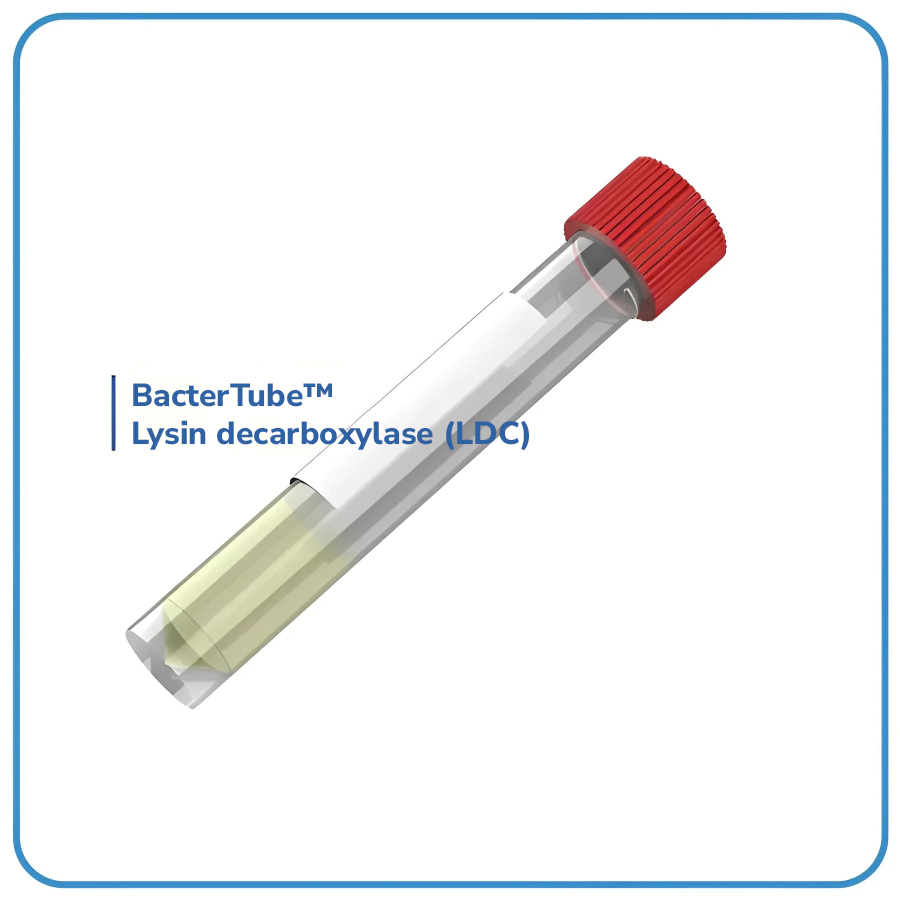
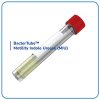
INTENDED USE
- BacterTube™ Lysin decarboxylase (LDC) is recommended for differentiating Salmonella arizonae from the Bethesda Ballerup group of Enterobacteriaceae.
PRINCIPLES
- BacterTube™ Lysin decarboxylase (LDC) is based on the original decarboxylase media described by Moeller for detecting lysine and ornithine decarboxylase as well as arginine dihydrolase. It was later adapted by Falkow to aid in the identification and differentiation of Salmonella and Shigella. The medium is particularly suited for studying decarboxylase activity in members of the Enterobacteriaceae family, except for Klebsiella and Enterobacter.
- This medium is recommended by the American Public Health Association (APHA) and other standard microbiological methods for evaluating decarboxylase activity.
- When organisms are inoculated into Lysine Decarboxylase Broth:
- During the initial incubation phase, fermentation of dextrose generates acid, which lowers the pH and causes the bromocresol purple pH indicator to turn yellow.
- The acidic environment stimulates the activity of lysine decarboxylase, resulting in the decarboxylation of lysine to cadaverine.
- The production of cadaverine creates an alkaline environment, which causes the pH indicator to revert from yellow to purple.
- If the organisms do not produce the decarboxylase enzyme, the medium remains yellow, indicating no alkaline change.
- Non-fermenters of dextrose will show no change in medium color, maintaining the original purple appearance.
- The test should be conducted with a light inoculum, and results should not be interpreted before 24 hours of incubation. Some organisms may require an extended incubation period of up to 4 days to demonstrate decarboxylase activity.